Archive Articles
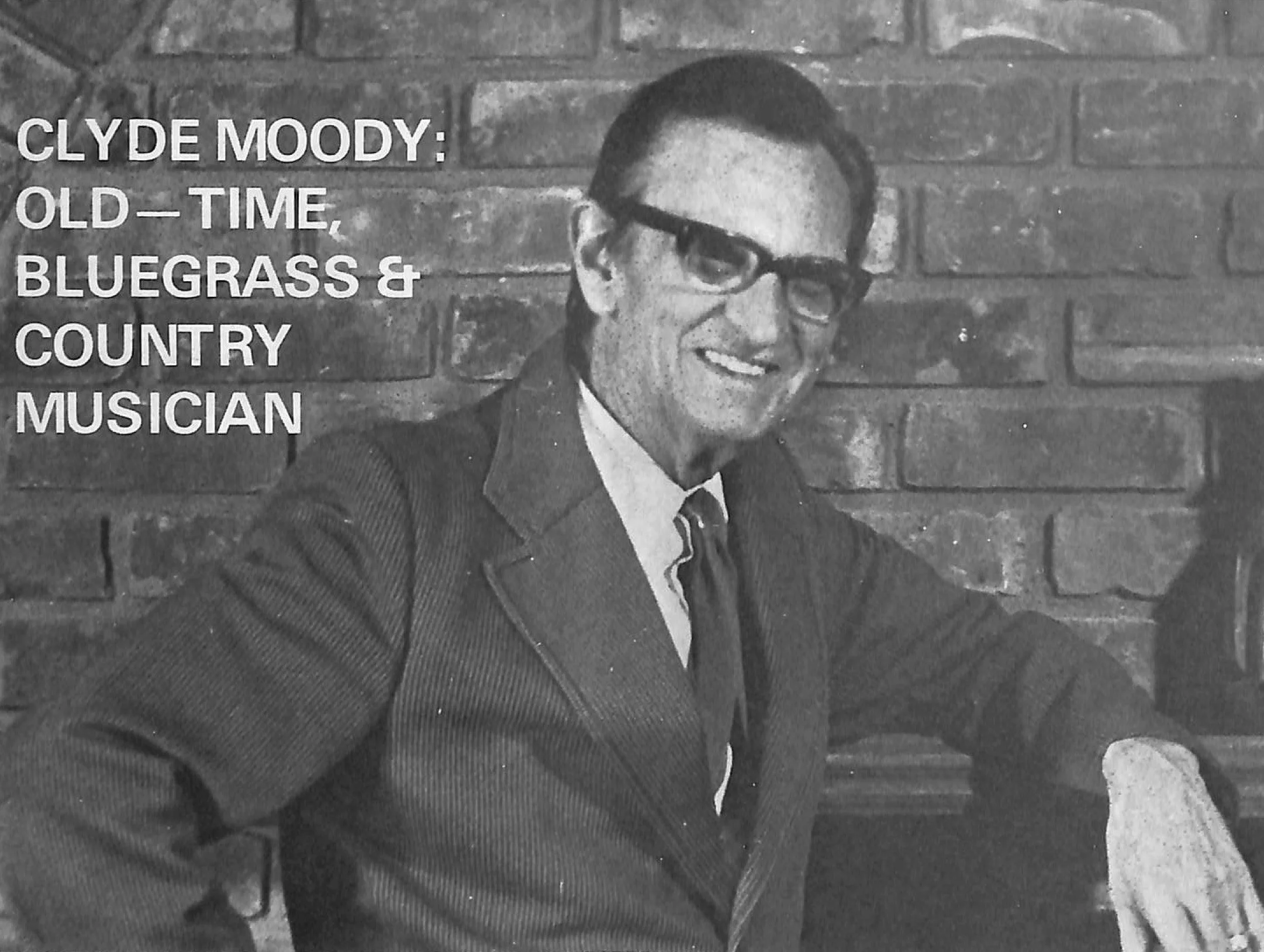
Clyde Moody—Old-Time, Bluegrass & Country Musician
by Ivan M. Tribe & John W. Morris
Reprinted from Bluegrass Unlimited Magazine
July 1975, Volume 10, Number 1
In a period of more than forty years as a professional entertainer, Clyde Leonard Moody has shown himself to be a versatile performer who has significantly contributed to various forms of country music. His professional experience ranges from old-time duets and string bands through bluegrass to pioneering in the sounds of modern country music. Through it all — unlike many performers who seem to be most at home in a single style — Moody has demonstrated an ability to seem quite comfortable in several types of country music. This phenomenon appears all the more remarkable when realizing that Clyde’s individual style has been much the same throughout his career.
The New Deal String Band
By Alice Gerrard
Reprinted from Bluegrass Unlimited Magazine
September 1997, Volume 32, Number 3
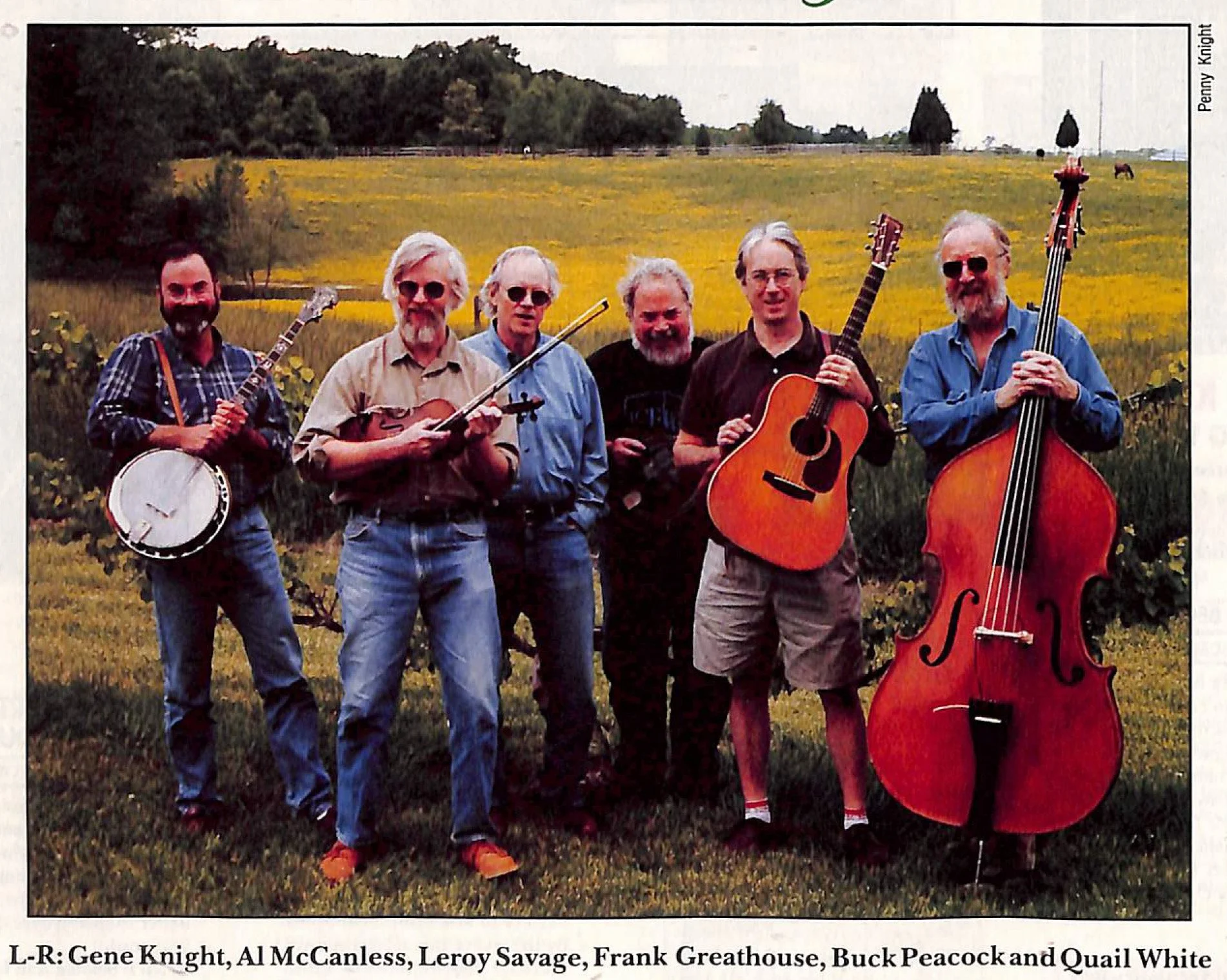
“We liked folk music; we just liked every kind of acoustic music we could find... we discovered they were going to have this bluegrass festival in Roanoke, Va.... We pulled up at the festival and we realized it’s 9 a.m. and there’s tons of jamming going on. Boy that was all we could do was just to get parked...find somebody to pick with. What I liked most about those festivals was I met a whole bunch of people that were like me.”-Sam Bush in High Lonesome-The Story Of Bluegrass over footage of the New Deal String Band jamming, immediately followed by a segment of them on stage at Camp Springs, N.C., performing “Love Potion No. 9.”
Hub Nitchie and Banjo Newsletter — It’s Been Nothing But Fun!
By Murphy Henry
Reprinted from Bluegrass Unlimited Magazine
August 1989, Volume 24, Number 2
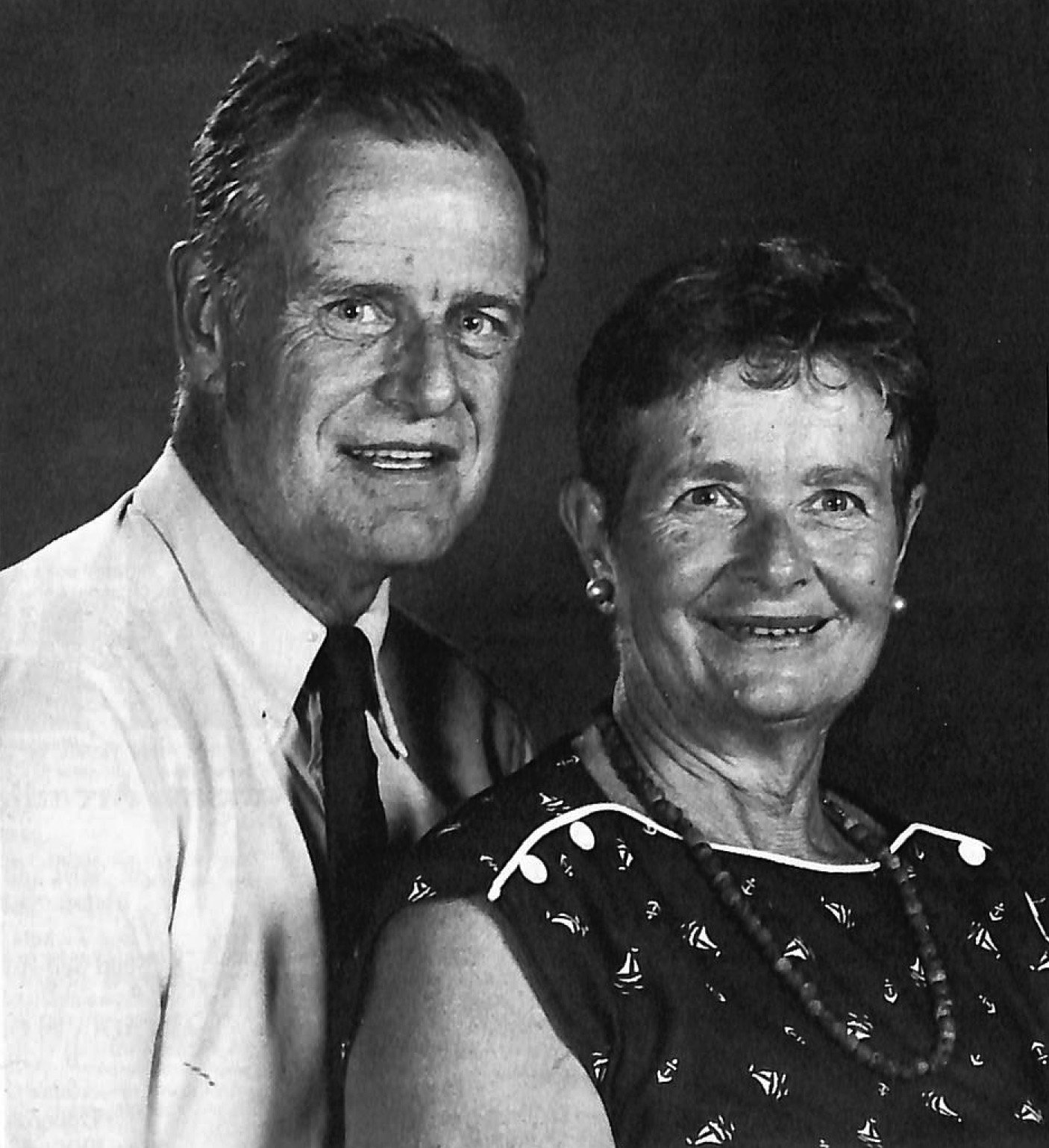
In October, 1988, Banjo Newsletter, the 5-string banjo magazine, celebrated fifteen years of continuous publication. That’s one magazine a month for fifteen years! That’s 180 magazines—all devoted to the 5-string banjo. “Surely,” you ask, “can there actually be that much to say about the 5-string banjo?”
Actually, Hub Nitchie, editor and publisher of Banjo Newsletter, had a similar thought in 1972, after his first venture into publishing. He had just compiled several pages of information pertaining to the banjo, which he called “The Banjo Information Clearing House.” He typed it out on a stencil, ran it off on a mimeograph machine and advertised it for sale ($1.00) in the classifieds of Bluegrass Unlimited. It provided addresses and listings of banjo-oriented suppliers around the country. (For two stamps extra, you could also receive a free banjo tab.)
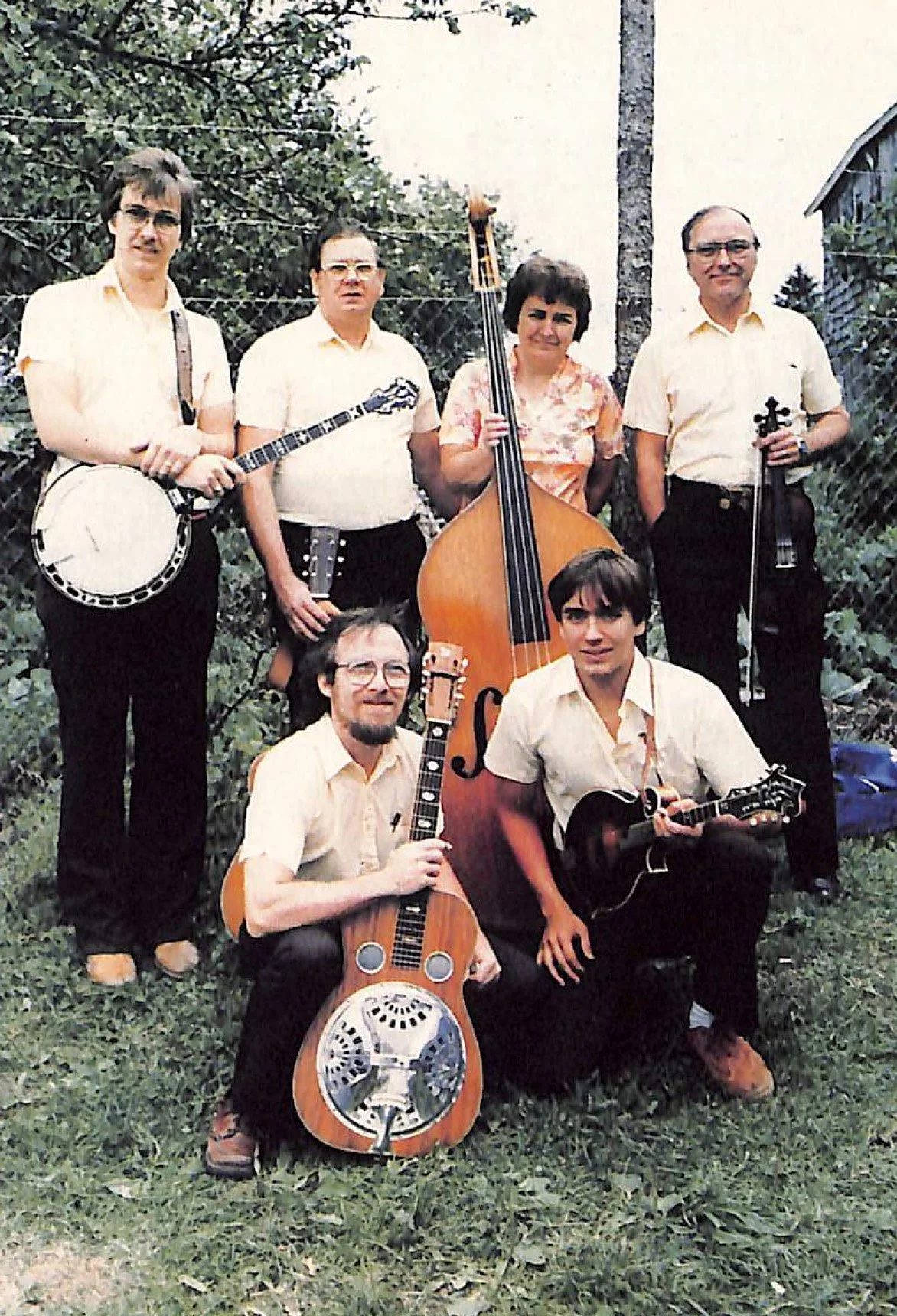
White Mountain Bluegrass
By Dave Haney
Reprinted from Bluegrass Unlimited Magazine
February 1985, Volume 19, Number 8
Many bluegrass musicians find it difficult to maintain a satisfying relationship between musical life and family life. Like poker or hunting, bluegrass can become at one extreme an escape route that lets the “boys” (or perhaps the girls, or the kids) avoid domestic responsibility in a search for the lost freedom of their youth. This hurts the music as well as the family, since you can’t play your best if you are just playing in order to get out of the house. At the other extreme, you can let or make the whole family play. Aside from the domestic squabbles that arise when Junior favors Eddie Van Halen over Larry Sparks, many family bands are simply not very good. All else being equal, it is easier to harmonize with a family member than with an outsider, but few families have the reserve of talent that the Carters, Osbornes or Lewises were able to pass along.
Hillbilly at Harvard
By David Haney
Reprinted from Bluegrass Unlimited Magazine
April 1988, Volume 22, Number 10
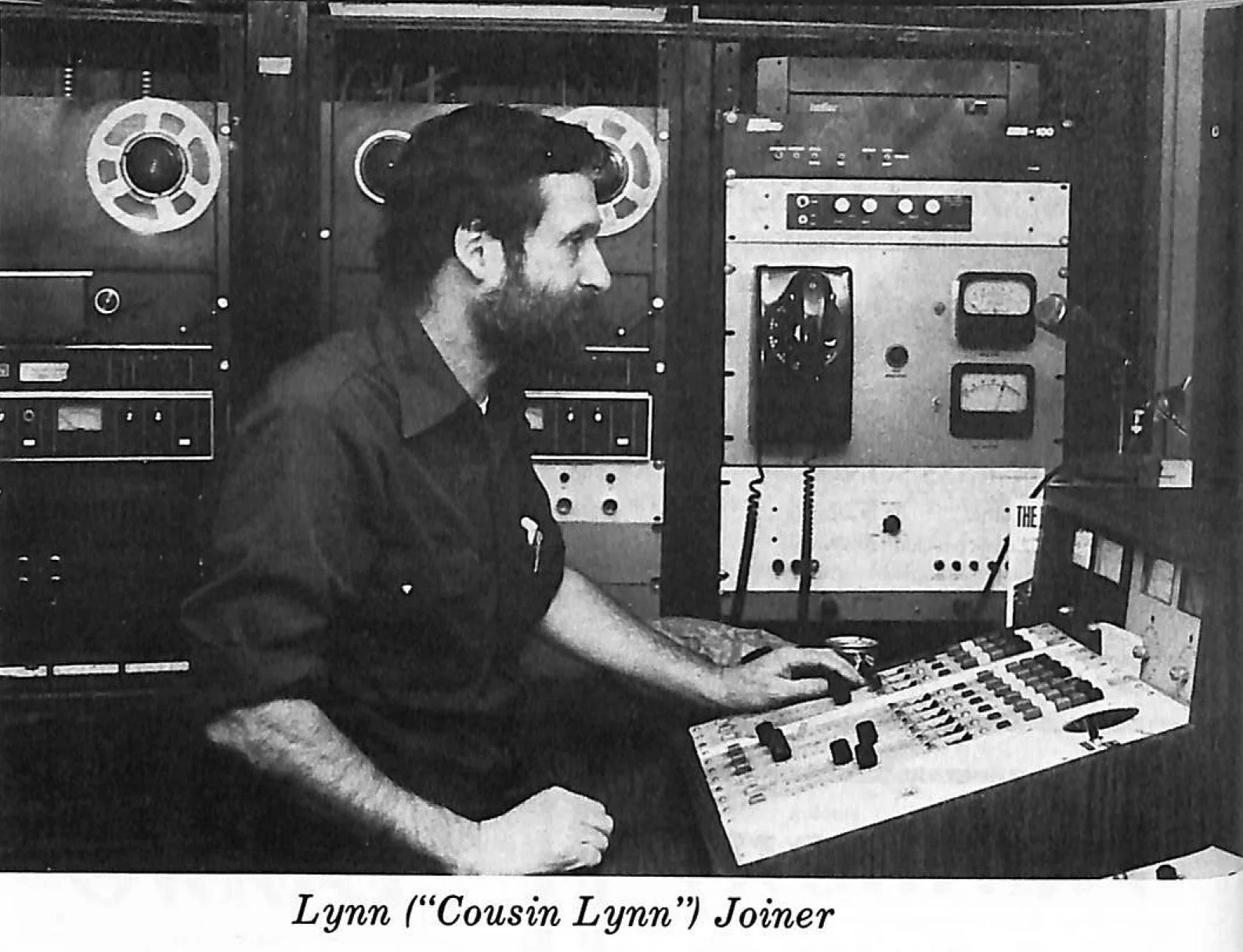
“This is hillbilly radio for eastern New England.” Every Saturday morning those words bring 3 hours of bluegrass, old-time, hard country, and Cajun music to loyal fans in the Boston, Massachusetts, area, and as far away as southern New Hampshire. Closeted in a stuffy studio beneath the Victorian extravagance of Harvard University’s Sanders Theatre, Lynn Joiner and Brian Sinclair (“Cousin Lynn” and “Cousin Sine”) host WHRB-FM’s Hillbilly At Harvard at 95.3. Between the opening notes of “Foggy Mountain Special” at 10:00 and the final strains of “Randy Lynn Rag” at 1:00, Sine and Lynn play an unpredictable variety of country music interspersed with jokes, editorial comments, contests, “The Hillbilly News At Noon,” live interviews, personal appearance schedules, and occasional live bands.
Boston Bluegrass Union
By Elijah Wald
Reprinted from Bluegrass Unlimited Magazine
July 1997, Volume 32, Number 1
It’s a long way from the mountains of Kentucky to the coast of Massachusetts, but bluegrass music has been making the journey for decades. Since the beginning of the 1960s folk boom, the Boston area has been one of the most welcoming areas for the classic bluegrass sound, nurturing both touring bands and a vibrant local scene. If one organization can be applauded for keeping the local scene strong, it is the Boston Bluegrass Union.
Barry Poss and Sugar Hill Records
By Wayne Erbsen
Reprinted from Bluegrass Unlimited Magazine
October 1982, Volume 17, Number 4
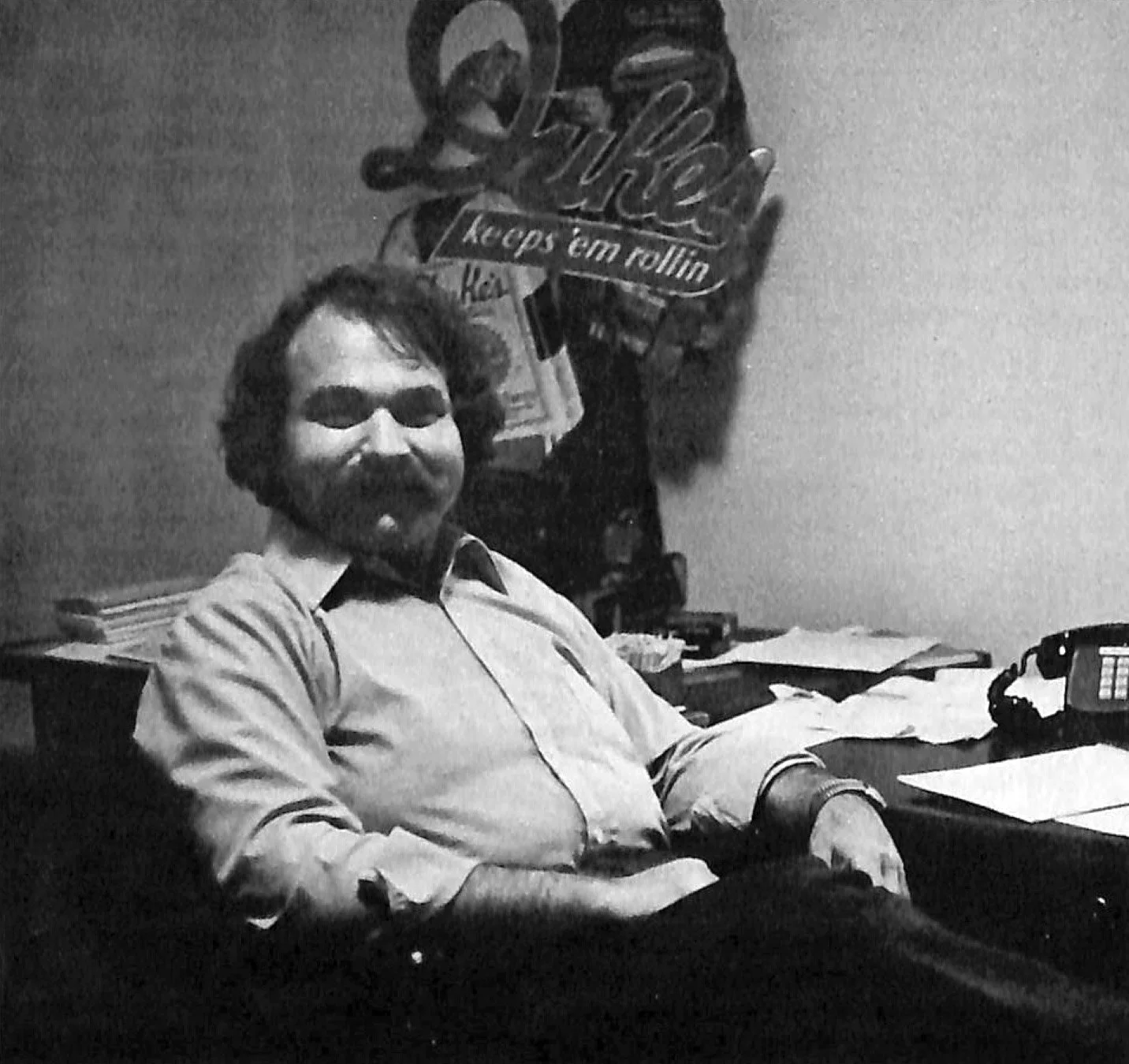
Ten years ago, if a gypsy fortune teller had told Barry Poss that he would someday run a small but successful record company with the unlikely name of “Sugar Hill,” he probably would have laughed and asked for his money back. Ten years and a lot of bridges later, Barry’s still laughing, but now he laughs with glee over the response that his growing catalog has received.
The Lost & Found
By Linda Stanley
Reprinted from Bluegrass Unlimited Magazine
March 1978, Volume 12, Number 9
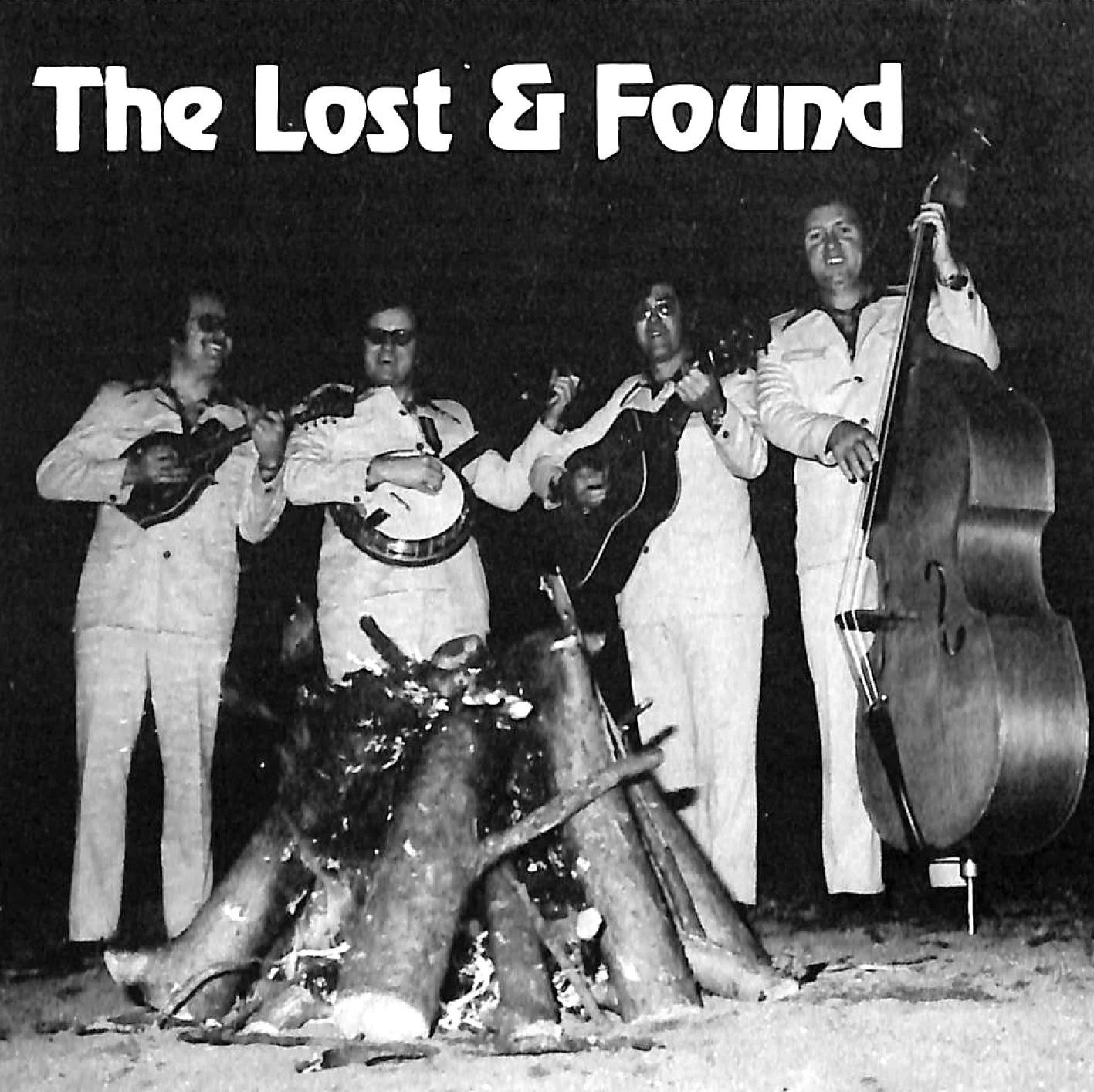
Together only four years, The Lost and Found of southwest Virginia is rapidly cutting a favorable swath across the bluegrass entertainment field with a Duke’s mixture of traditional and modern bluegrass sounds, all arranged in a distinct, creative style.
In addition to bringing musical excitement to traditional bluegrass tunes, group members have provided their own originals and borrowed from other fields to make their first two albums on Outlet Records appeal to a variety of fans in a down-home but professional manner.
Pat Enright
By Alama J. White
Reprinted from Bluegrass Unlimited Magazine
December 1987, Volume 22, Number 6
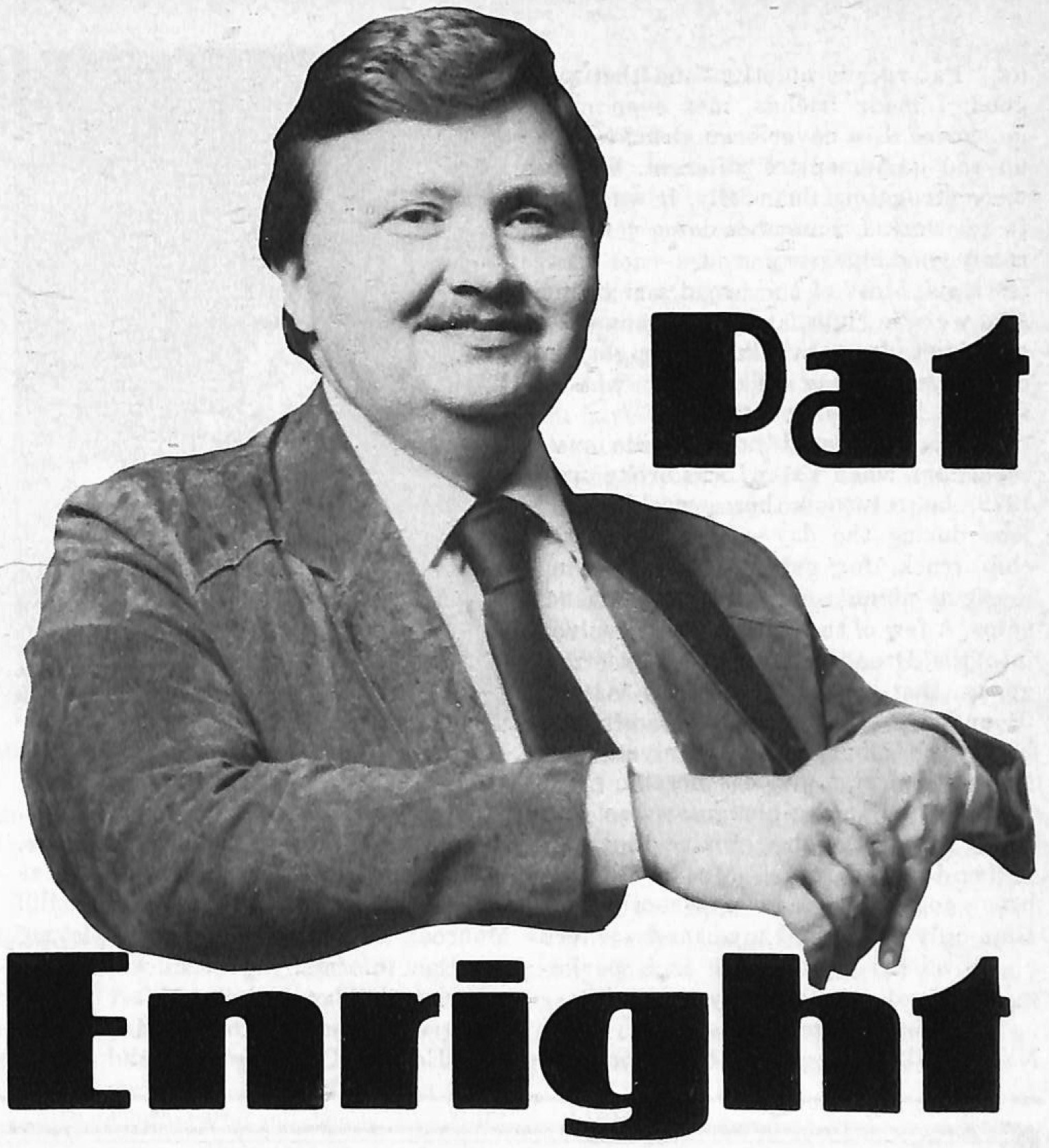
The wind is cold, the misting rain unpleasant, yet few people in the festival crowd pack up their folding chairs and call it a day—next on the program is the Nashville Bluegrass Band. Enthusiastic applause greets the band’s appearance on stage, and Pat Enright smiles appreciatively. After ten years of hard work and lean times, the singer that Tony Trischka has called “the man with the hundred megaton voice” is finally doing what he has always wanted to do: sing and play rhythm guitar in a top bluegrass group.
In the late seventies, Pat joined Tasty Licks in Boston for one year and considers that his first truly professional experience, though previously he had been in various bands in California. “Tasty Licks was the first band I went into that I didn’t help start,” he explains. “I was hired as a sideman, guitar player, and singer.” Pat smiles, remembering. "They were working full-time in the northeast and had a teenaged banjo player named Bela Fleck.”
The Knoxville Grass—From Buddy’s to Europe
By Gene Vaccaro, Jr.
Reprinted from Bluegrass Unlimited Magazine
March 1980, Volume 14, Number 9
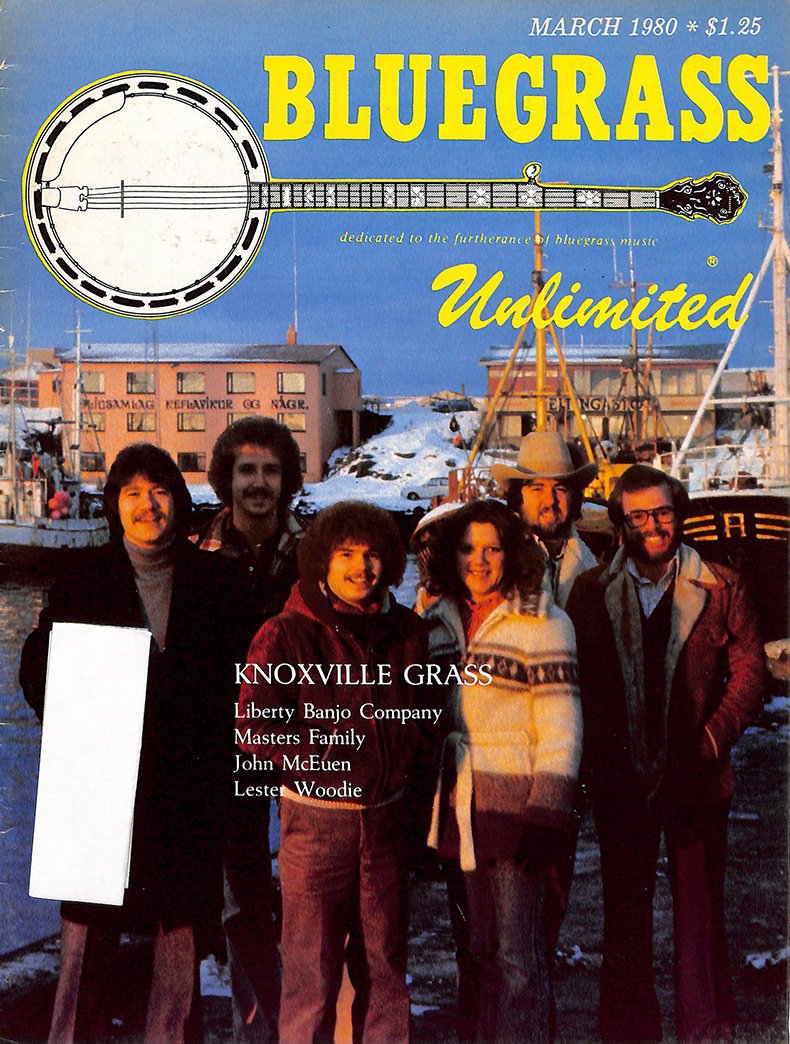
The first time I ever encountered bluegrass or the Knoxville Grass was on a muggy summer eve in 1975. It was only after considerable prodding by my wife that she and this transplanted Floridian ventured down to Buddy’s Bar-B-Q in Knoxville to hear some bluegrass. My musical tastes were more along the lines of folk or light jazz. Her excitement was amplified by her lifelong association with the music (she is the former Elaine Brewster, daughter of Willie G., niece of Bud, sister of Paul) and her little brother, Paul, had just joined the Knoxville Grass.
We arrived at 6:30 with the band due to start at 8:30. The fact that the line of customers extended half-way around the building two hours before showtime should have told me something. (Can the Bar-B-Q be that good?) But I remained a skeptic and resigned myself to an evening of tolerating my wife’s excitement.
The Crowe Brothers—Mountain Rhythm and Harmony
By Art Menius
Reprinted from Bluegrass Unlimited Magazine
September 1986, Volume 21, Number 3
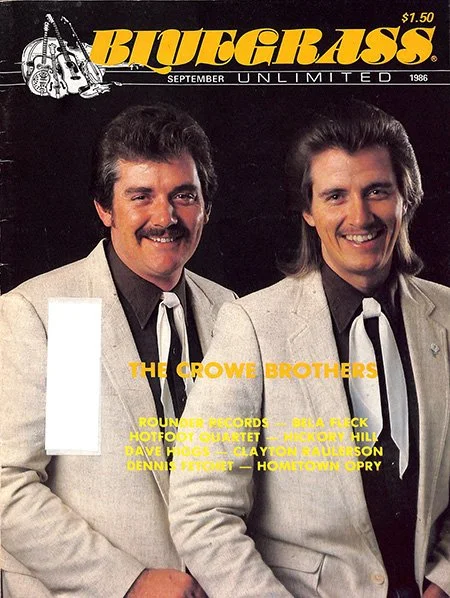
Raymond Fairchild’s rise from pickin’ banjo by the side of the road in Maggie Valley, North Carolina to major festival attraction status in the southeast and midwest speaks of determination, overcoming alcohol, and teaming with north Georgia’s Crowe Brothers. March 1985 marked the tenth anniversary of Fairchild’s association with Wayne and Wallace “Josh” Crowe’s straight-ahead rhythm on bass fiddle and guitar and their Louvin Brothers-influenced duets.
“Josh Crowe is definitely the best rhythm guitar player there is in the world today,” asserted Fairchild, a Jimmy Martin fanatic, over coffee at the stone house he built for his family outside Canton, North Carolina. “In my 35 years of playing I’ve heard a few, and Wayne’s just as good on bass. They’ve got perfect timing, and timing is drive.
Jimmy Driftwood and The Rackensack Players: Proof That Ozark Culture Still Lives
By Larry Rhodes
Reprinted from Bluegrass Unlimited Magazine
November 1978, Volume 13, Number 5
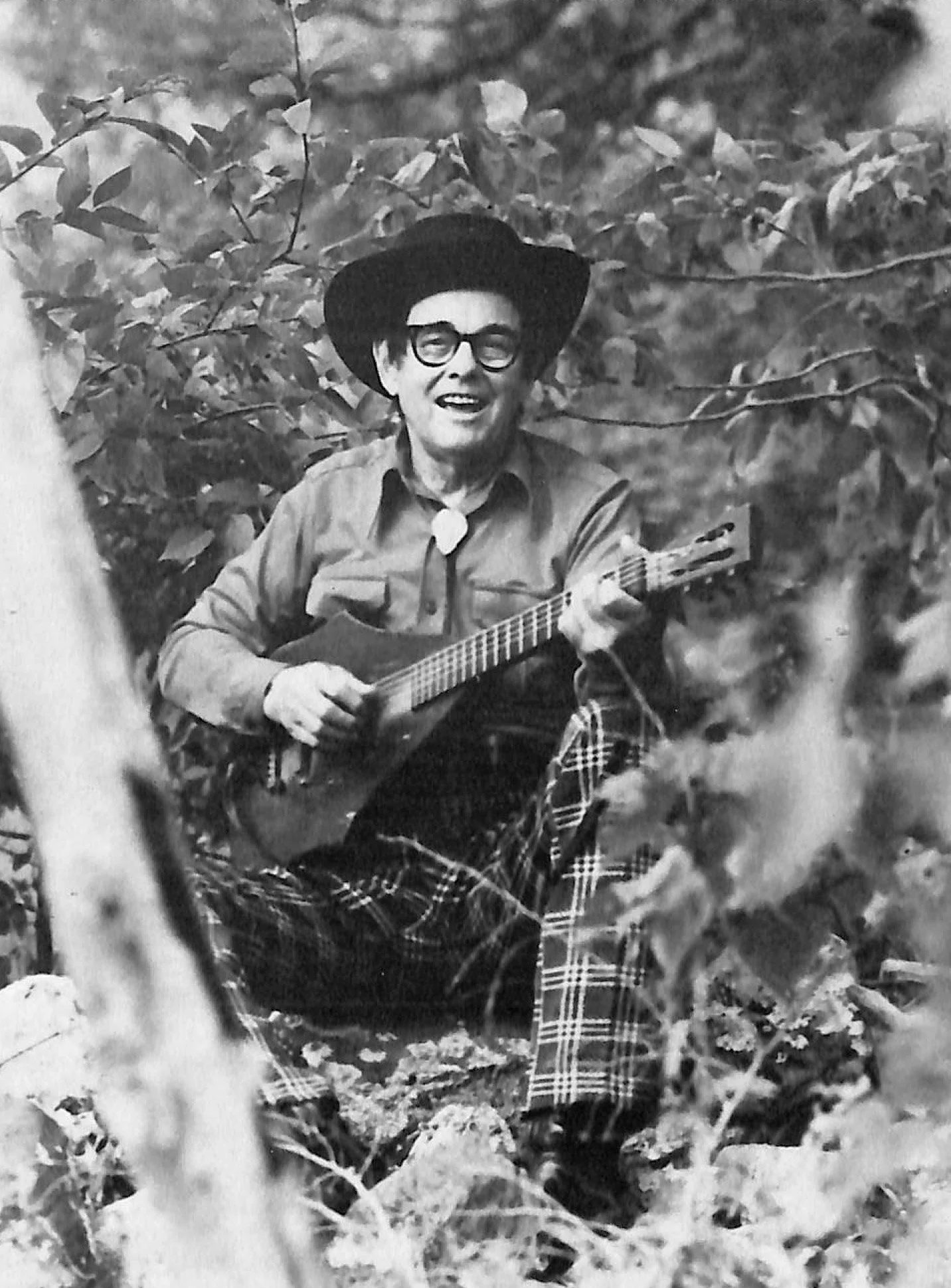
Until fairly recently, Stone County, Arkansas, has been very remote. Song writer and folk singer Jimmy Driftwood, a former Stone County school teacher, admits that. The area didn’t have its first blacktop road until the 1940’s.
Yet, somewhere in one of those old one-room schools that Driftwood taught in before finding fame in song writing must have been a book containing that old proverb about Mohammad and the mountain. If there’s anyone who truly goes out and finds what won’t come to him, it’s Driftwood.
Tom McKinney—Not A Collector
By Marty Godbey
Reprinted from Bluegrass Unlimited Magazine
September 1987, Volume 22, Number 3
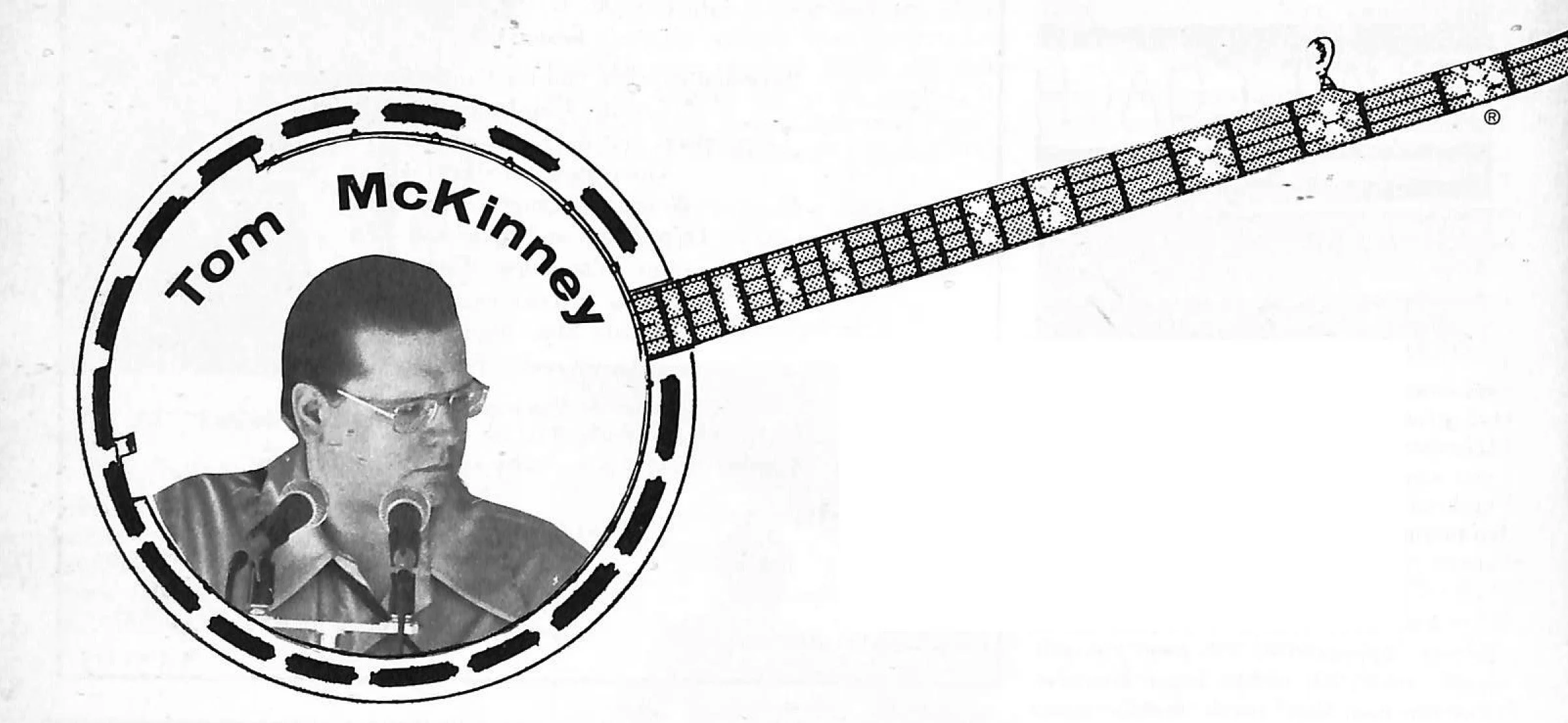
Tom McKinney may not look like the Man of La Mancha, but his whole life has been a quest: since he first began to play banjo in the early 1960’s, Tom has been in pursuit of THE banjo —the one that duplicates the sound in his head.
In his search, Tom has owned several remarkable banjos, giving rise to his reputation as a “collector;” his disposal of these has, in turn, caused him to be termed a “dealer.”
Neither of these is true.
Olen Gardner—Little Preachin’, Little Teachin, Lotta Pickin’
By Sue Wade
Reprinted from Bluegrass Unlimited Magazine
November 1979, Volume 14, Number 5
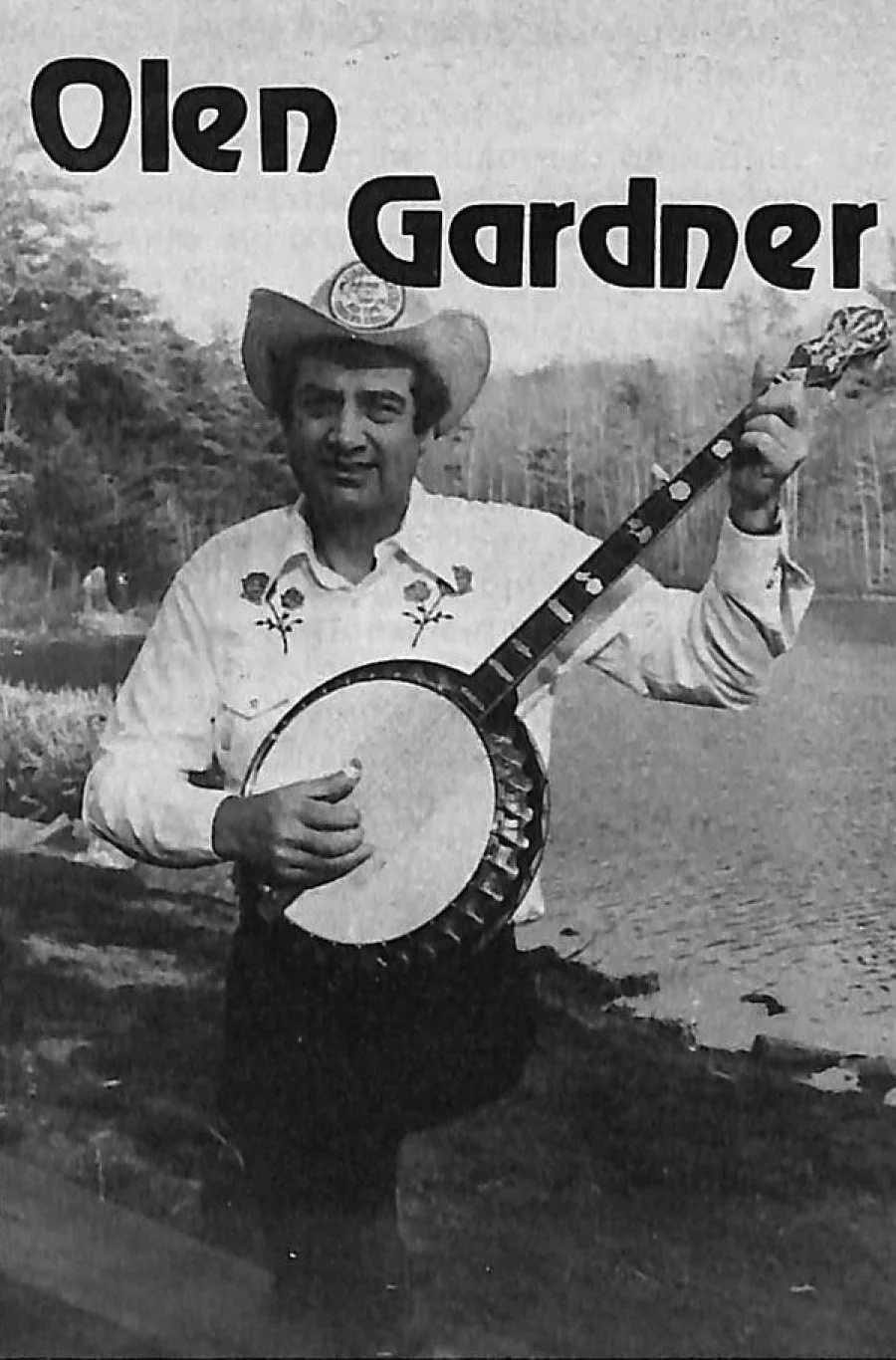
“I used to carve my tops and trucks and other toys out of wood,” Olen Gardner recalls. “You used the resources around you. It was just the most natural thing in the world, if you wanted something, to make it.”
Necessity may have been the mother of invention back then, but the premier musician-craftsman of Carroll County, Virginia, still crafts, carves and repairs his playthings — only now, his playthings are some of the finest banjos and guitars in the field of bluegrass music.
The Return of Donna Stoneman—First Lady of the Mandolin
By Ivan M. Tribe
Re-printed from Bluegrass Unlimited Magazine
June, 1983, Volume 17, Number 12
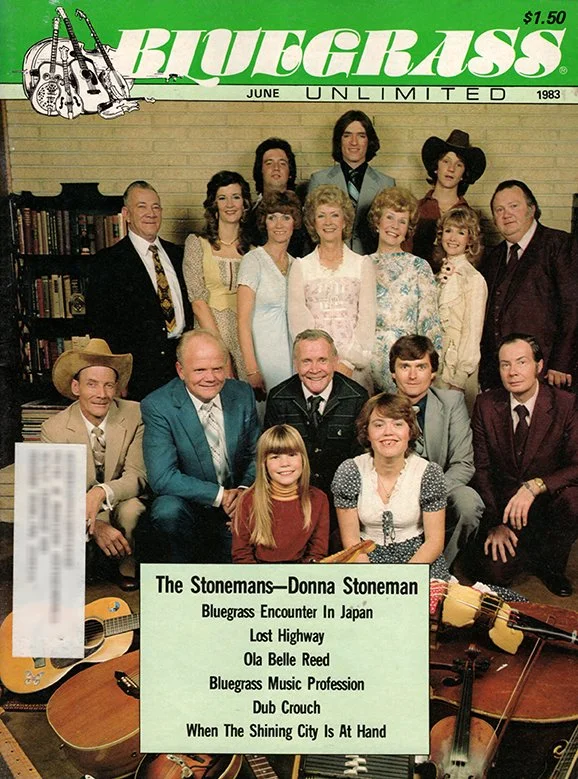
Back in 1971, Bluegrass Unlimited conducted a poll asking readers to list their favorites among pickers of standard bluegrass instruments plus lead, and tenor vocalists. Significantly, when the results were announced that December, all but one who placed in the top ten in each category were men. The one exception to this exclusively male compilation ranked among the top mandolin pickers, but probably took little consolation in it at the time since she left the world of professional music soon afterward. For a decade, Donna Stoneman, the principal subject of this sketch, found a new happiness in the service of God. Fortunately for Donna and others as well, she is retaining this mission, but has also recently resumed public performing with the Stoneman Family.
James Monroe
By Pete Kuykendall
Reprinted from Bluegrass Unlimited Magazine
July 1973, Volume 8, Number 1
Probably one of the most talked about people in bluegrass recently has been James Monroe. After spending a number of years paying his dues as a member of the Blue Grass Boys, in 1971 he started his own group. He, if for no other reason than being the son of the father of bluegrass music, has had many people watching his every move. Carrying a tradition and a name that has been synonymous with traditional styled music, his steps and sounds have been watched extremely close by almost everyone concerned.
Charlie Sizemore — A Lonesome Voice From The Hills
By Paul Morris
Reprinted from Bluegrass Unlimited Magazine
May 1986, Volume 20, Number 11
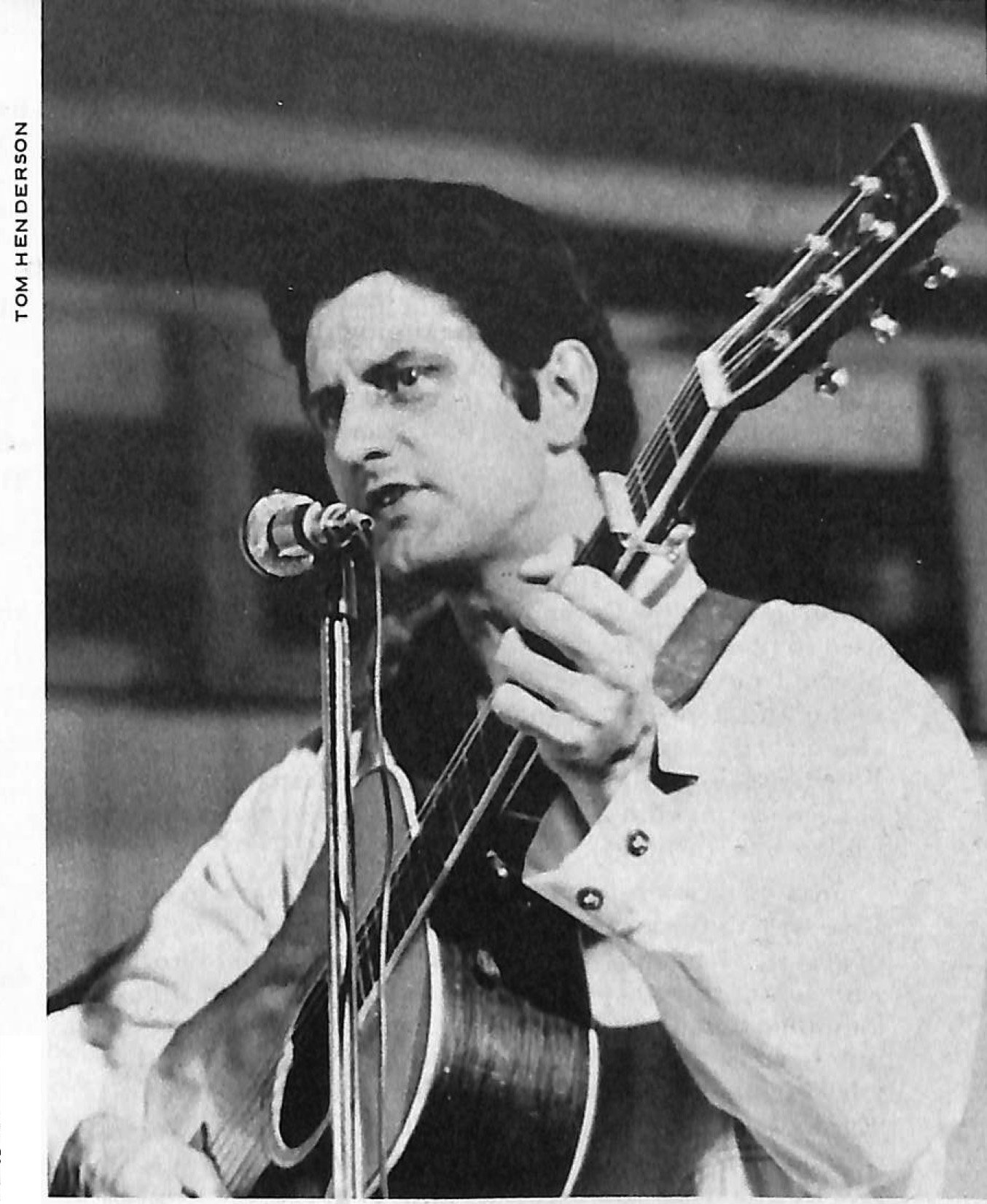
For the past eight years, the lonesome voice beside Ralph Stanley has been that of a fine young singer and musician named Charlie Sizemore. He is just 25 years old, but has already been a professional musician for a third of his lifetime.
Born November 23, 1960, on Puncheon Creek in Magoffin County, Kentucky, Charlie cannot remember a time when there was not music in the house. His father, Henry Sizemore, is both a bluegrass and old-time banjo player and was an ardent fan of the original Stanley Brothers. Charlie’s first musical remembrance was hearing the Stanley Brothers and it seems he learned some of the songs almost by the time he could talk.
Mike Lilly
By Robert Leach
Reprinted from Bluegrass Unlimited Magazine
November 1986, Volume 21, Number 5
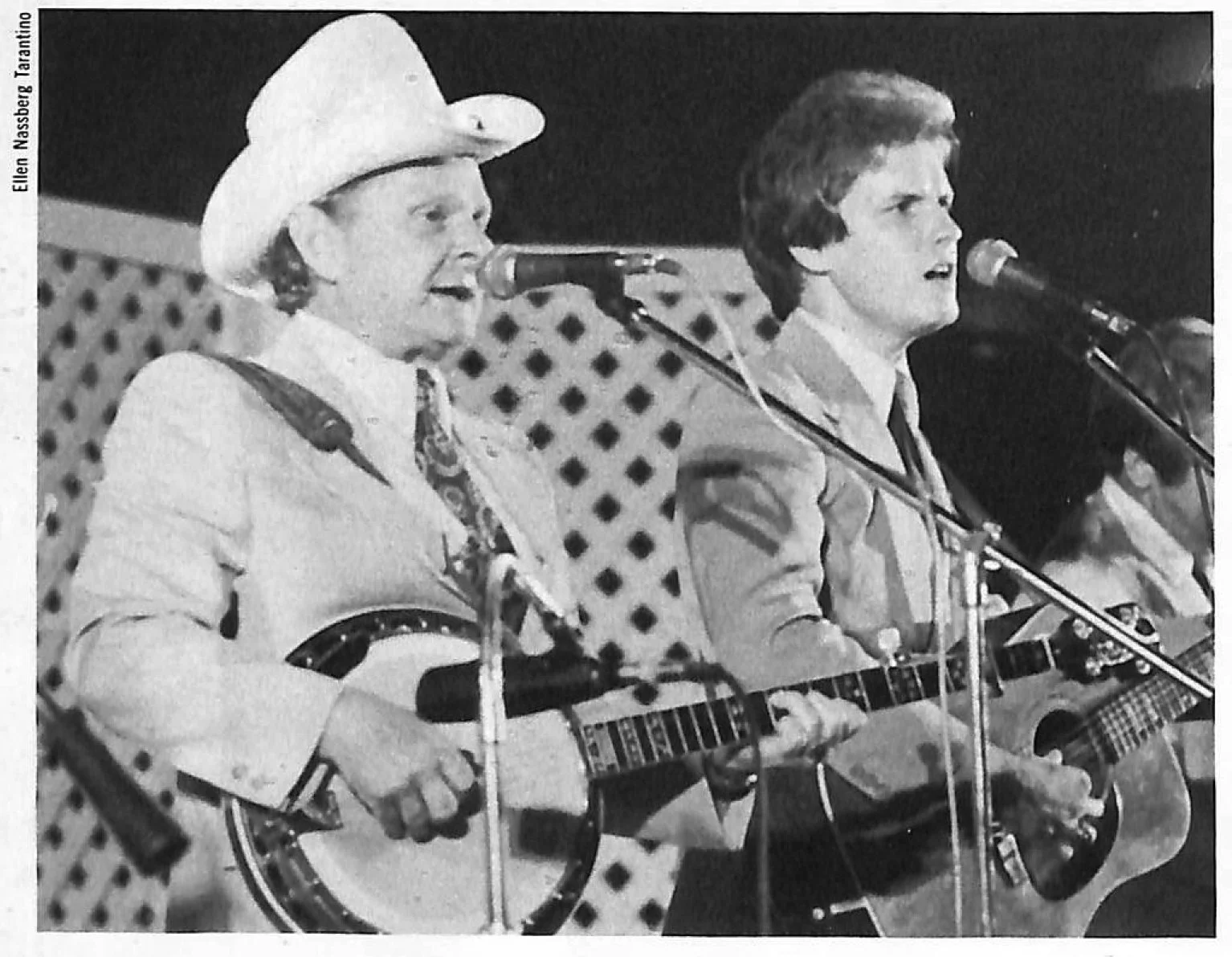
Mike Lilly has long been regarded by many as one of the world’s foremost bluegrass banjoists. Few who have heard him in concert would argue that his technical prowess, creative ability, and devastating power of attack are anything short of awesome at times. As a gifted instrumentalist and prolific recording artist, his contributions to bluegrass music have been substantial.