The Knoxville Grass—From Buddy’s to Europe
By Gene Vaccaro, Jr.
Reprinted from Bluegrass Unlimited Magazine
March 1980, Volume 14, Number 9
The first time I ever encountered bluegrass or the Knoxville Grass was on a muggy summer eve in 1975. It was only after considerable prodding by my wife that she and this transplanted Floridian ventured down to Buddy’s Bar-B-Q in Knoxville to hear some bluegrass. My musical tastes were more along the lines of folk or light jazz. Her excitement was amplified by her lifelong association with the music (she is the former Elaine Brewster, daughter of Willie G., niece of Bud, sister of Paul) and her little brother, Paul, had just joined the Knoxville Grass.
We arrived at 6:30 with the band due to start at 8:30. The fact that the line of customers extended half-way around the building two hours before showtime should have told me something. (Can the Bar-B-Q be that good?) But I remained a skeptic, and resigned myself to an evening of tolerating my wife’s excitement.
Two hours later, after a plate of delicious pork ribs, (the Bar-B-Q really was good!) and a couple of frosty mugs of beer, it’s finally showtime. By now of course, Elaine is a mass of gregarious giggles and nerves and I’m lulled into a state of submission, knowing, like most husbands, that if my wife were to discover the extent of my boredom, I would have to pay the price later. So, I order another beer, my only defense!
The house lights dim, and five young boys (19-23) wander up onto the stage. The crowd is responding with applause and the band hasn’t hit a note, (it must be the cold beer).
By 9 p.m. I’m a Knoxville Grass fan. Their accomplished acoustic picking impresses this old folk music fan, and their vocal harmonies are delivered with ease and innocence. So this is bluegrass. Good!
Later that night, I told Elaine that I was impressed with this bluegrass music, and the Knoxville Grass. That’s all she needed. From that moment on we’ve followed this fledgling young band, watching them evolve from a rather unorganized but talented group back in ‘75, to becoming a major factor in the re-surgence of bluegrass music today.
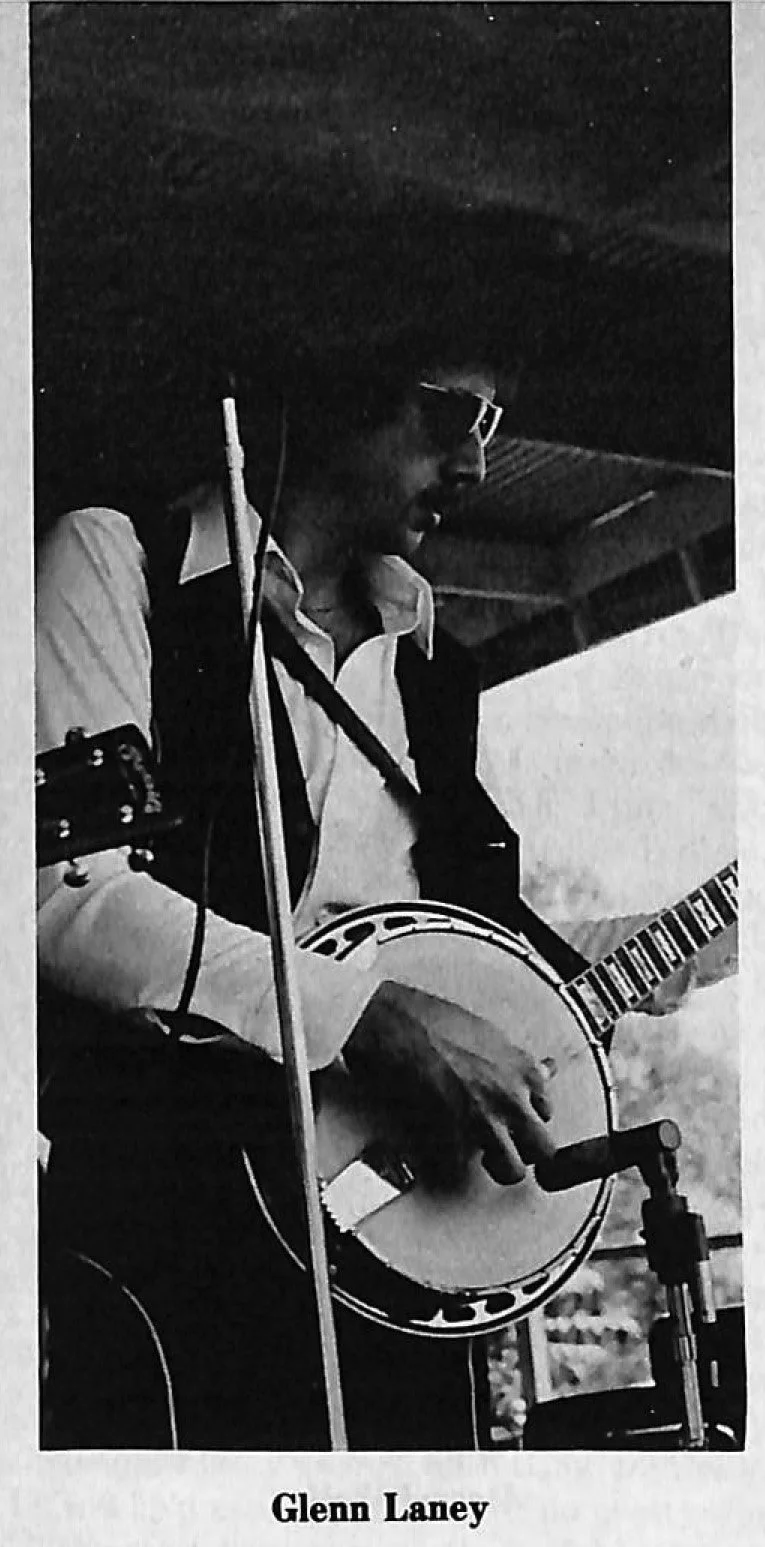
Glenn Laney, music teacher at Pick N’ Grin (music store used as a hub of Knoxville Grass activities) and one of the Knoxville Grass originators, explains some of the group’s success like this; “We won’t quit! We’ve worked very hard over the last five years, and I guess we’ve had a little luck come our way too. We’ve been on the stage with just about every major act in bluegrass, and a lot of the more popular country acts, and after 5 years working with the likes of Bill Monroe, Lester Flatt, and many others, we’ve learned a lot about what it takes to entertain a crowd.” (Amen! That first night at Buddy’s was a series of broken strings, tuning, and awkward delays between songs. It didn’t seem to bother the crowd, but having been in the promotion business for 12 years I knew that a more demanding crowd would have passed harsh judgement.) “When we first started as a group, it seemed all we had to do was pick a few up-beat instrumentals with lots of hot licks and sing “Rocky Top" once every set, but it seems bluegrass crowds are more demanding these days.” “I grew up in Blount County, Tennessee, and it was just a natural thing to pick bluegrass. But now, with the growing popularity of the music, fans are treated to good pickers everywhere they turn, and it takes a whole lot more than just hot licks to keep ’em happy.”
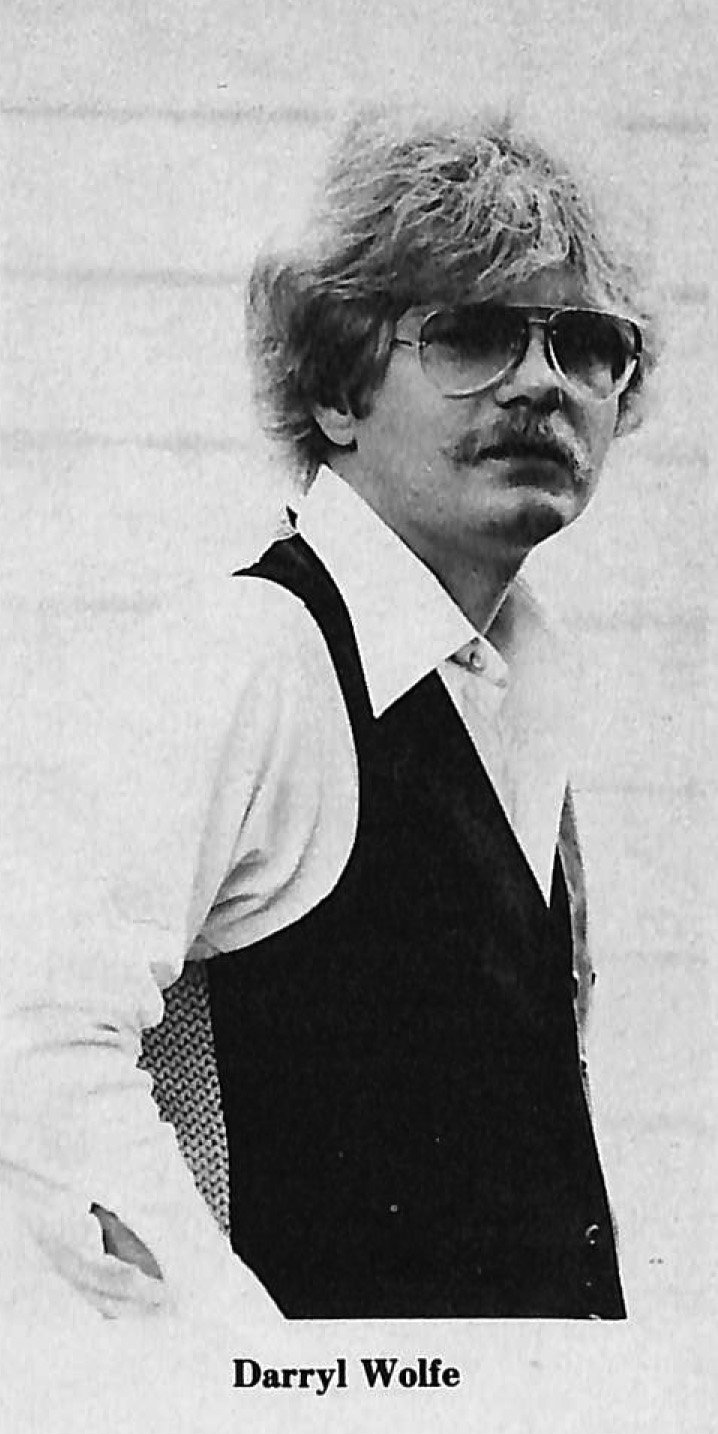
Darryl Wolfe puts it this way. “Five years ago, a typical Knoxville Grass show was 3 or 4 Monroe standards, a few from Lester and Earl and the Osbornes, a banjo and mandolin tune mixed in, and closed by the Gentlemen’s ‘Fox On The Run.’ Soon we realized that everybody starts this way, but you can’t do old bluegrass material forever. Besides, how do you improve on Monroe, Lester & Earl, the Stanleys and the Osbornes? So we started looking at other sources for new material: area bluegrass writers, country and pop music, and we wrote a few ourselves. I think this is when we began to realize that we could survive in this business. A Glenn Laney original, ‘Goin’ Back To The Country’ (our first single) gained a lot of local popularity and received good air-play throughout East Tennessee and Western North Carolina. We followed that with Kristofferson’s ‘Darby’s Castle’, and the trend was set. We’ve yet to find a label to tag onto our sound. Traditional and progressive didn’t fit, nor did country. We’ve come to call it ‘Knoxville Grass Music,’ and that’s what it’s really all about, establishing a catagory rather than finding one.”
Darryl, from Fayetteville, N.C. found his way to Knoxville through employment with T.V.A. Having grown up with bluegrass, (his dad picks Dobro) he sought out the local bluegrass club, and shortly thereafter, through association with Glenn and other members of the club, the Knoxville Grass was formed.
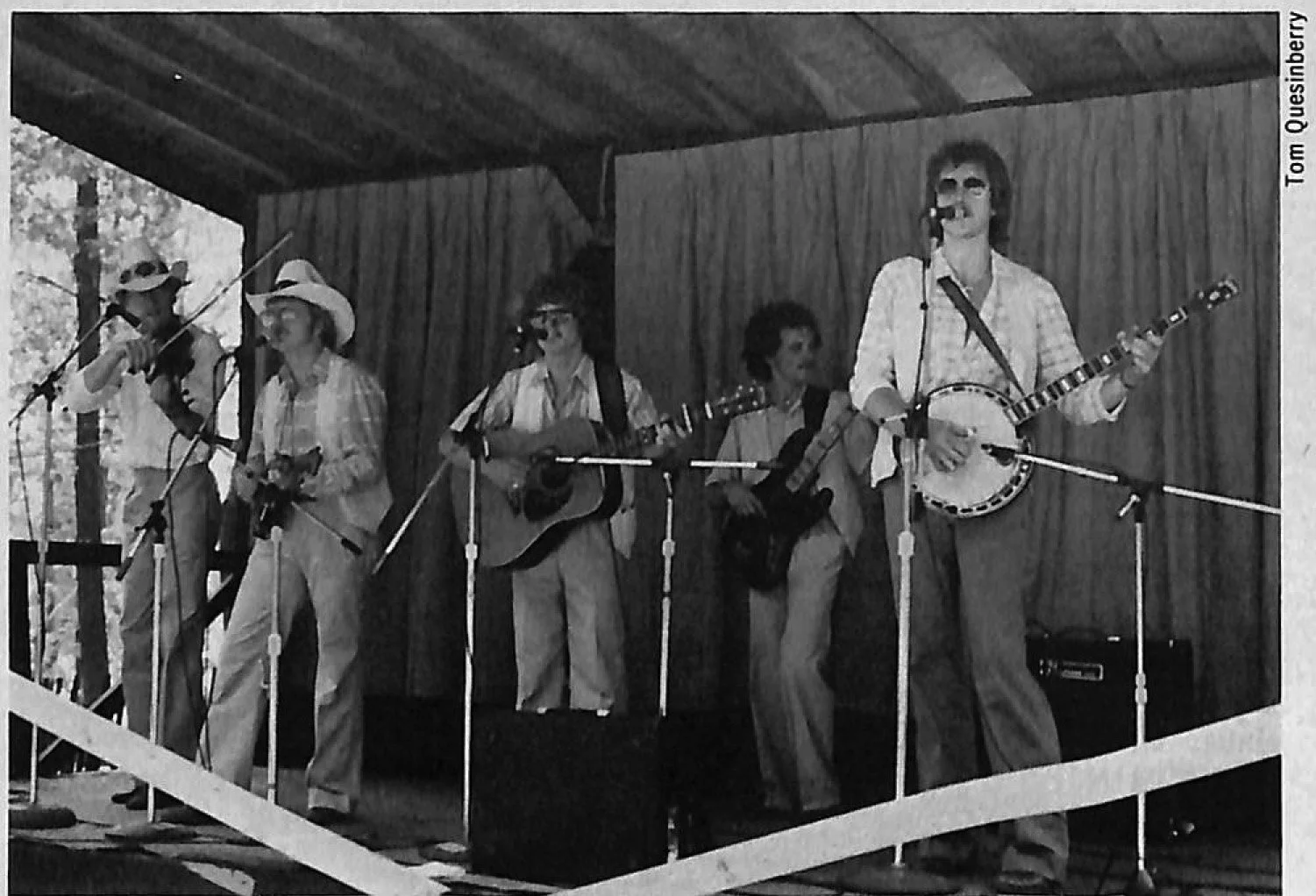
Today, the ’Grass has evolved into a professional, full-time touring bluegrass act, and it’s taken an assortment of ingredients to get there; many many hours of rehearsal, many many hours cramped in the confines of Chevrolet Van, many many hours in recording studios (the ’Grass has produced 3 LP’s and numerous singles), and the best teacher of all, many many hours on stage in front of very demanding bluegrass fans.
Laney feels the time has come for the Grass to pay their dues. “We’ve been very fortunate to work like we have the past couple of years. I guess we’ve averaged pickin’ about 150 days a year, and that’s an awful lot considering some of the group have held down full-time jobs (Darryl at T.V.A., and Byron Doss, fiddle player from Knoxville, a professor at the University of Tennessee). We intend to go all out in 1980 to pursue our future as a full-time act. We’ve got a new single ‘Wait For Me’ and ‘Painted Lady’ doing pretty well now, and we’ve got a couple more good tunes about ready. We hope to crack the barrier of radio air-play and bluegrass. We feel if we can get enough exposure on radio, then bluegrass will continue to prosper, and things will be easier for pickers in the future.”
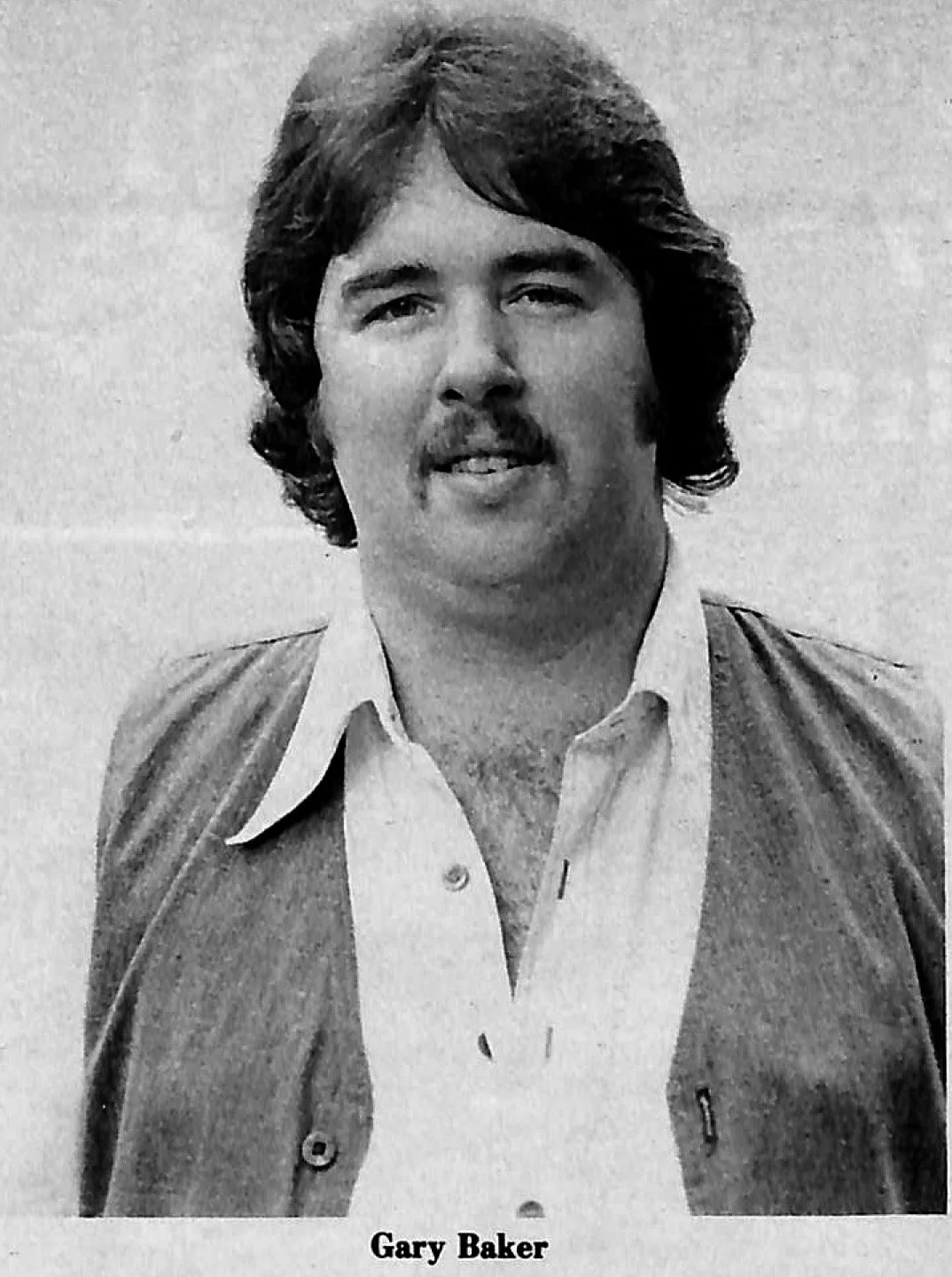
Gary Baker, bass player and tenor from Chattanooga, looks at the full-time music business a little less urgently. “Going full-time is not new to me. All I’ve done for the last 18 months is pick. When I’m not on the road with the ‘Grass I’m at home listening to records, or down at Buddy’s Bar-B-Q to catch whatever bluegrass act is in town.”
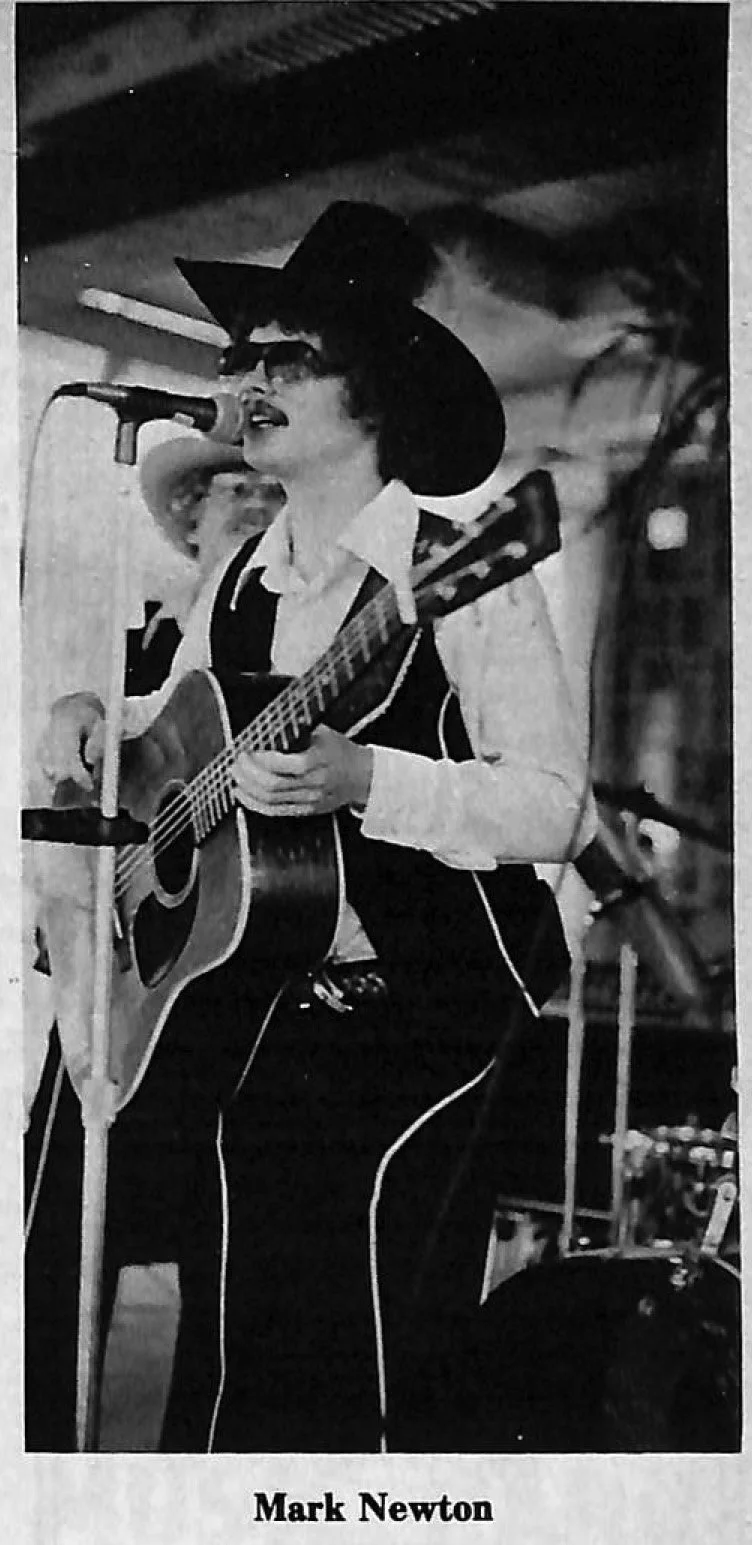
Mark Newton, guitar player, lead vocalist, and tenor vocalist is always ready to pick (unless of course, the Redskins or the Orioles are on TV). “Ralph Stanley is my favorite, but we only do one or two Stanley tunes. I think our newer tunes such as ‘Painted Lady’ and ‘Wait For Me’ will do more for us and our identity than anything else.”
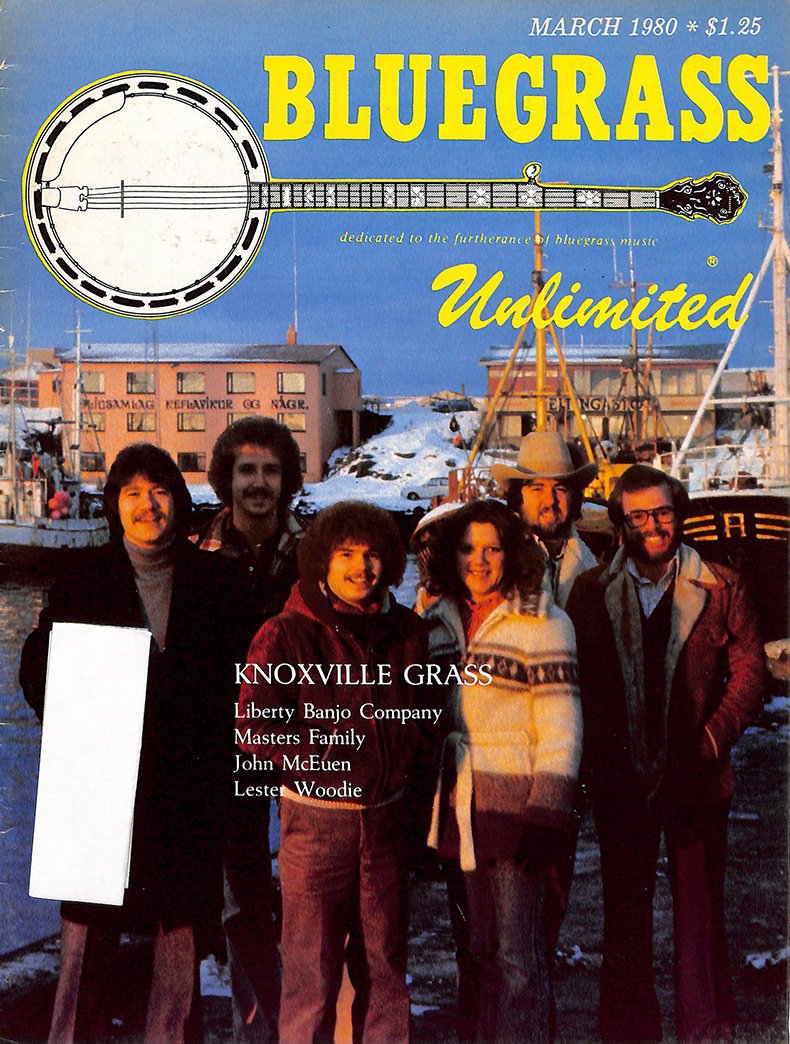
Recently the Knoxville Grass was selected by the United States Government for a seven country European Tour that took place this past winter. The all-expense-paid tour started in November in Frankfurt, Germany. Scheduled stops included Belgium, England, Italy, and Iceland. The 47-day tour featured stops at most U.S. Military installations in Europe, including bases, hospitals, officer’s clubs, USO clubs and aircraft carriers.
The tour came at the ideal time for bluegrass musicians. When most bands took their winter breaks, the ’Grass worked 5 and 6 days a week. Added special guests of the Knoxville Grass toured along with the group. They included: Mary Lee Carpenter of Salt Creek, James Bailey, formerly of the Country Gentlemen, and Gary Ferguson, from Donna Fargo’s band.
The history of the Knoxville Grass has been eventful, with many highs and lows. And it’s been an exciting scenario for an old folk fan like myself. So, from that muggy summer eve in ‘75 has evolved their music, and their music has, in fact, thrived. New musicians, new material, the excitement of a European tour. All have combined to mold a new and exciting air of enthusiasm in the band...and yet one thing remains as a link with their history...the solid, driving, and constant sound of the Knoxville Grass.